Camino de Portugues
October 12 – 25, 2026
My interest in completing a Camino de Santiago (one of several paths that end in Santiago de Compostela) gradually grew after completing the Camino Costa Rica in 2024 and a hut to hut hike in Iceland in 2025. Prior to that, I may have heard of Caminos, but I really had no interest in participating in a religious pilgrimage. And, while I still do not have an interest in participating in a religious pilgrimage, I am intrigued by the historical aspects of Caminos and enjoy the slow travel aspects of seeing a country by walking.
The Camino de Santiago (also known as the Way of St. James) is a network of pilgrims’ ways or pilgrimages leading to the shrine of the apostle James in the cathedral of Santiago de Compostela in Galicia (an autonomous community and historic region of northwest Spain). Tradition holds that the remains of the apostle are buried at the cathedral.
Established in the beginning of the 9th century following the discovery of the relics of Saint James the Great, the Way of St. James became a major pilgrimage route of medieval Christianity from the 10th century onwards.
In 1987, the Camino, which encompasses several routes in Spain, France, and Portugal, was declared the first Cultural Route of the Council of Europe. Since 2013, the Camino has attracted more than 200,000 pilgrims each year. In 2025 more than 500,000 people complete a Camino.
Current statistics are kept by the Pilgrim Reception Office of Santiago de Compostela. That office records certain information from each person that submits an official credencial showing that they have walked at least 100 km. along an officially recognize route.
The information above was summarized from this wikipedia page. The American Pilgrims website also has a good summary on the history of Caminos.
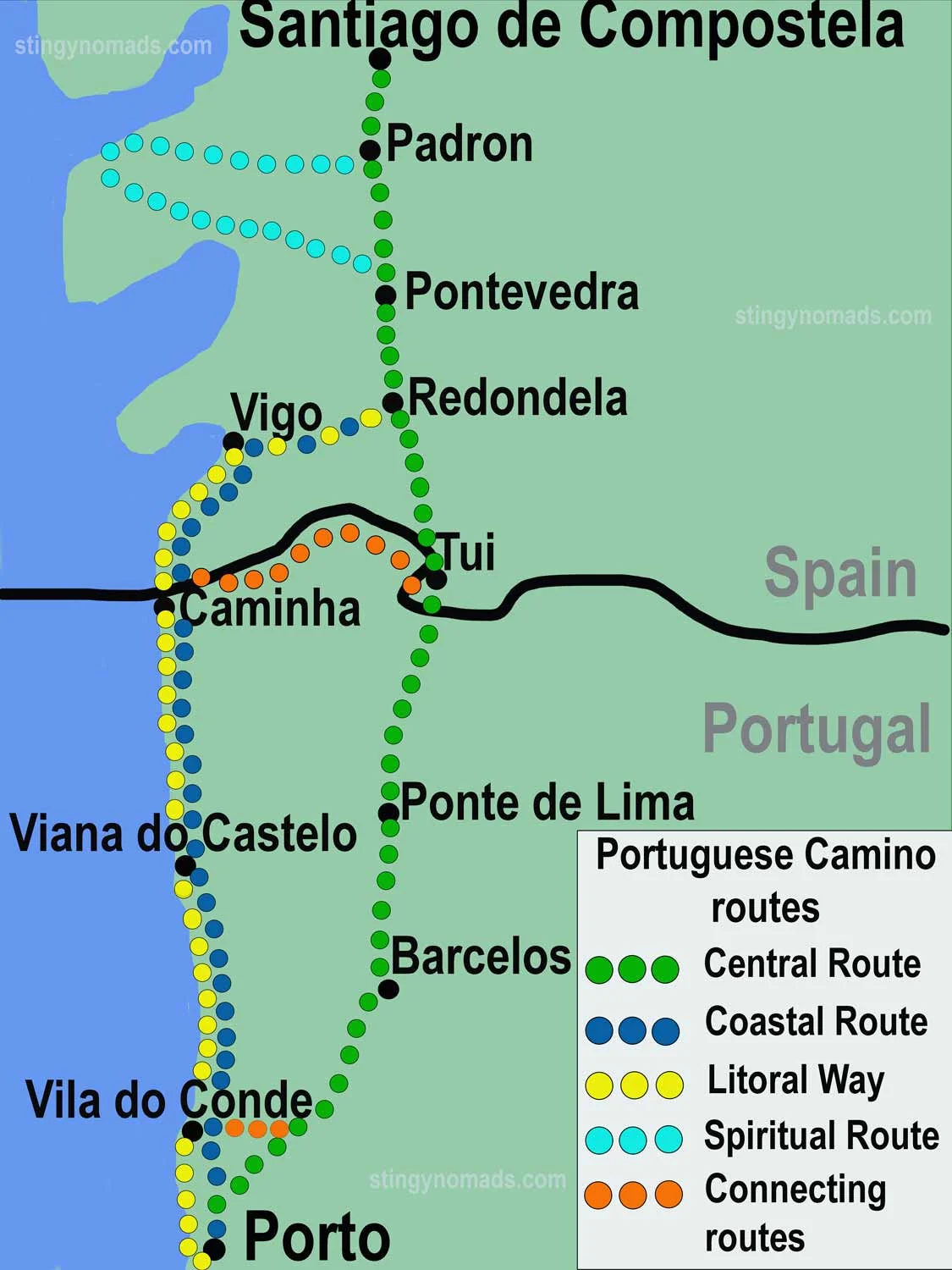
I did a little research on the various Camino routes and settled on the Camino Portuguese as a good route for two reasons. First, Portugal was on Angie and my short list of places we’d like to visit so it would be relatively easy for me to tack on a couple of weeks at the beginning or end of that vacation. Second, the Camino Portuguese is easily walked in two weeks if starting from Porto and was reported to be both scenic and easy to do self-guided.
Decisions: As I researched the best time of year to walk the Camino de Portuguese where I would have the best chance of mild weather and smaller crowds, I quickly learned that there were several other decisions that I would want to make.
- would I prebook accommodations for some or all of the trip or follow a more authentic pilgrimage of deciding how far to walk each day and finding a place to stay when I was tired?
- did I want to stay in shared dorm rooms in hostels (called alburges) or something a little more private?
- which route did I want to follow (there are three basic routes from Porto to Santiago, with several options to connect different routes, and an optional Spiritual Variant that departs from the main route shortly after crossing into Spain) and did I want to commit to a route in advance or decide as I was walking?
- would I use a luggage transfer service and just carry a day pack or would I carry all my belongings with me each day.
I reached out to my friend, Allan, who joined me on the Costa Rica Camino and was happy when he was interested in joining me on a Portugal Camino. As our plans began to gel, we asked a few other people from the Costa Rica walk if they’d be interested in joining us. One of the other men from the trip, Chris responded that he would definitely join us and that he would work around whatever itinerary that Allan and I worked out.
Allan and I then talked several times and agreed to lock in our itinerary by prebooking places to stay over the 14 days from October 12 through 25. We were all set to go with a little over a month left before our start date when Allan let me know that he was suffering from Plantar Fasciitis. When it didn’t get better he reluctantly had to back out of the trip. Chris, who had just completed a 40-day through hike in Colorado said he would welcome a little more comfort on this hike and that he’d be happy to take over Allan’s accommodations. I was relieved that no changes would be needed.
Then about a week about a week before our start, Chris emailed to say that he had injured his ankle, but he thought it would be okay and that he was committed to walking the Camino. I wasn’t sure exactly what would happen, but figured I’d manage one way or the other. I was also comforted by the fact that while we would be covering more than 260 kilometers (160 miles) in two weeks, we would not be in remote areas. If needed, it would be possible to take a bus or taxi.
How I decided on Portugal and then planned the walk: I found general internet and YouTube searches returned a wealth of blogs and videos discussing people’s experiences on different routes. In particular:
- I found the Stingy Nomad website to be especially useful in understanding the various options for the Portuguese Camino and especially in getting a starting framework for daily itineraries. They have a great Camino planner tool that allows you to select your preferred daily distances and various route options. It will then suggest stopping points for each day and also provide a list of some recommended accommodations.
- I used Booking.com to reserve accommodations. We booked several months out and found that we still had a fair number of highly rated places to choose from. Booking earlier would have given us more options and would likely be very desirable if walking in peak season. We paid a little extra to have cancelable/refundable options. While I didn’t end up needing to cancel, I was happy to have that flexibility, particularly given the injuries that befell my walking companions.
- I also purchased the latest edition of John Brierley, “A Pilgrim’s Guide to the Camino Portugués”. I found it a worthwhile purchase and particularly liked using it the night before to get an overview of the next day’s walk.
Finding our way: In addition to the arrows and directions on route, I referred to the maps in “A Pilgrim’s Guide to the Camino Portugués” before walking and then used a combination of the Camino Ninja, Buen Camino, and Google Maps. I started with the Camino Ninja app and uploaded each day’s walk into the app. This was handy as it provided a quick way to get an overview of the day’s itinerary.
The maps can be downloaded and used offline and the Camino Ninja app will even guide you and provide estimates on how long it will take to reach the entered destination. Camino Ninja, however, seemed a little limited to me as it does not contain the littoral route maps and a couple of other minor alternate routings, which made it less useful when we wanted to follow the littoral route or other alternates.
On the recommendation of other walkers we met, I downloaded and used Buen Camino. While I didn’t figure out how to save daily routes, I like how complete Buen Camino’s maps were with noted variations. It also provided clickable icons that would provide information on historical points of interest, route junctions, and other items along the route. If I do another Camino, I suspect I will just use Buen Camino.

The following posts recount the 14 days from October 12 – 25, 2026, that I spent walking the Camino Português from Porto to Santiago. I combined parts of the Littoral, Coastal, Central and Spiritual Variant routes and covered over 260 kilometers. Our hybrid route took us from Porto to Caminha along a mixture of the Coastal and Littoral paths, then followed the Minho (Miño in Spain) river up to Valença where we joined the central route before crossing into Spain at Tui. We then walked north on the Central route to Pontevedra where we took the Spiritual Variant west and then north to Padron where we rejoined the main route for the last day into Santiago.
Blog Posts

Camino de Portugués – Day 1
Porto Cathedral to Aldeia Nova, 17km/11 miles, following the coastal route. I was excited to…

Camino de Portugués – Day 2
Aldeia Nova to Povoa de Varzim 22km/13.6 miles, following the coastal route. Today started with…
Camino de Portugués – Day 3
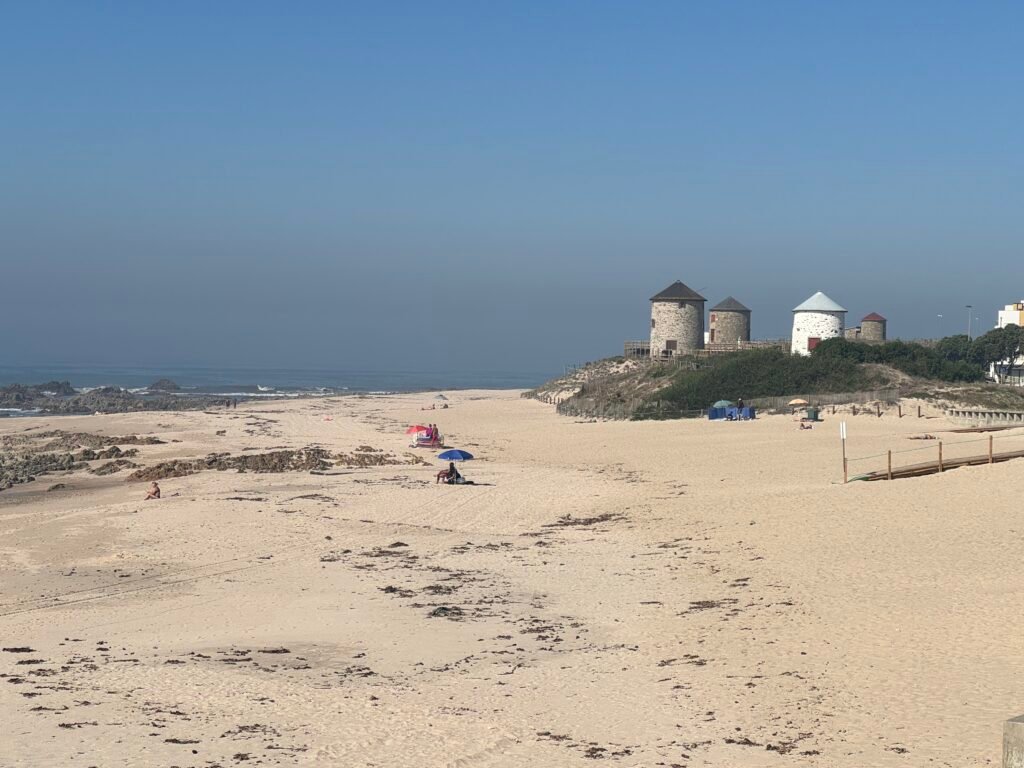
Aldeia Nova to Povoa de Varzim 22km/13.6 miles, following the coastal route. Today was another…
Camino de Portugués – Day 4
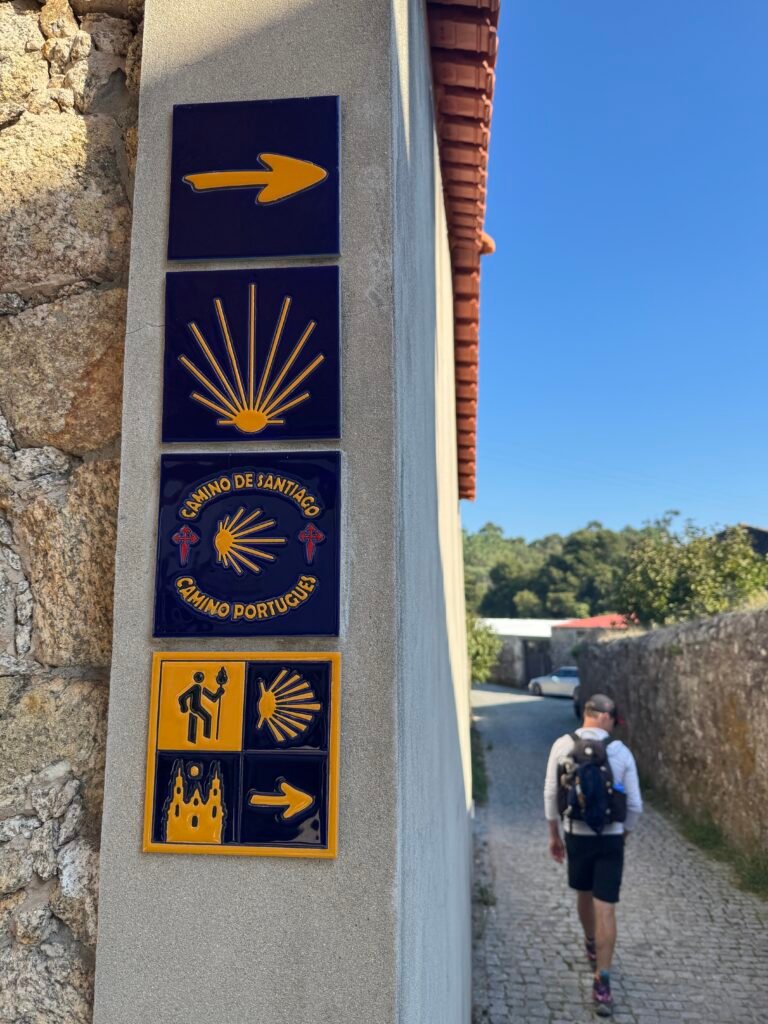
Esposende to Viana do Castelo, 25 km/15.5 mi, following a combination of littoral and coastal…
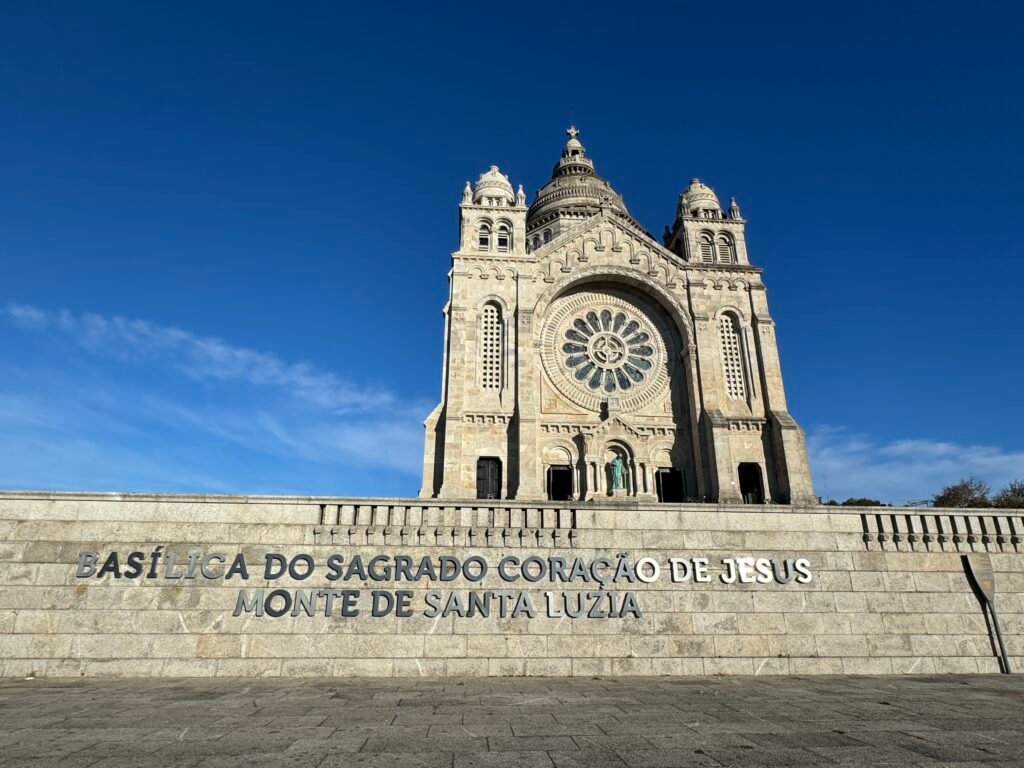
Camino de Portugués – Day 5
Viana do Castelo to Moledo, 24 km/ 15 miles – on the coastal route. We…
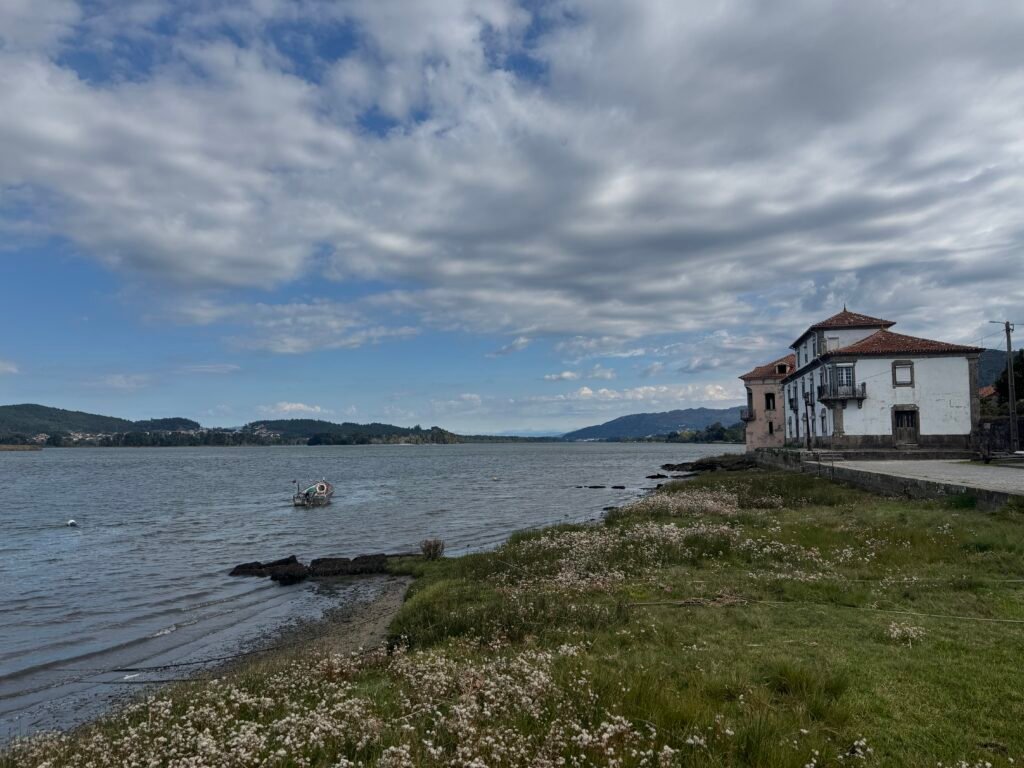
Camino de Portugués – Day 6
Moledo to Via Nova de Cerveira 20 km. – transition from Coastal route to connector…
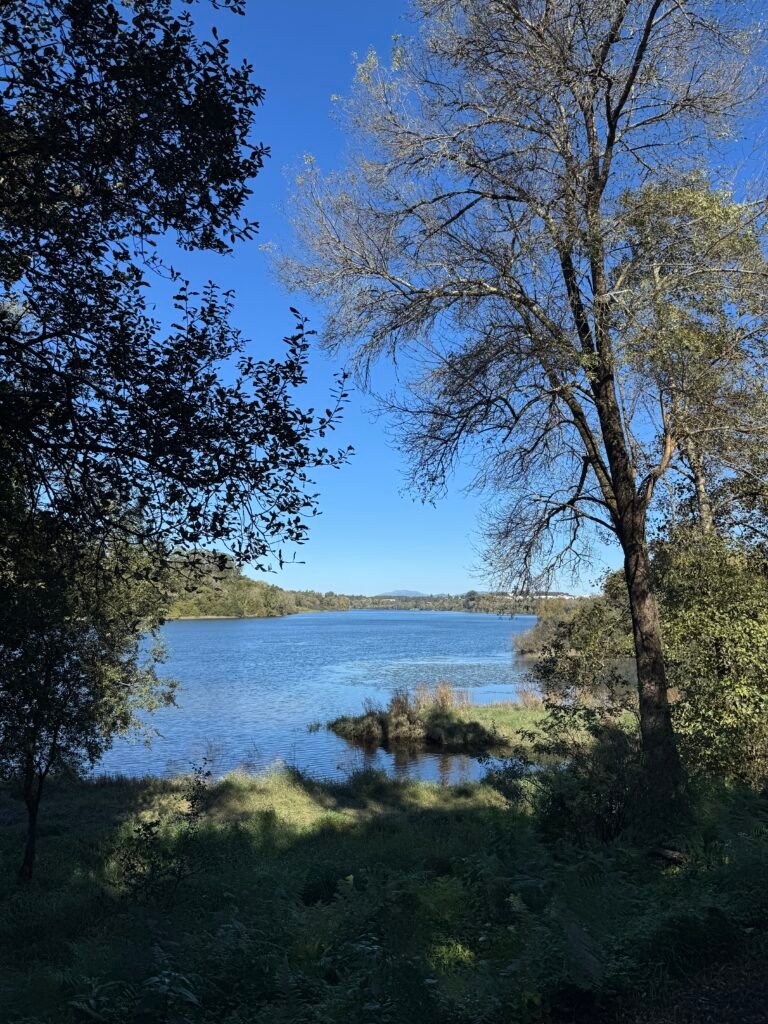
Camino de Portugués – Day 7
Via Nova de Cerveira to Valenca 20 km/ 12.4 miles – continue the route connecting to…

Camino de Portugués – Day 8
Valenca to Tui and on to O Porrino 20.5 km/ 13 miles connect to the…
Camino de Portugués – Day 9
O Porrino to Redondela/Cesantes 20.5 km/ 13 miles – central route. We started to see and…
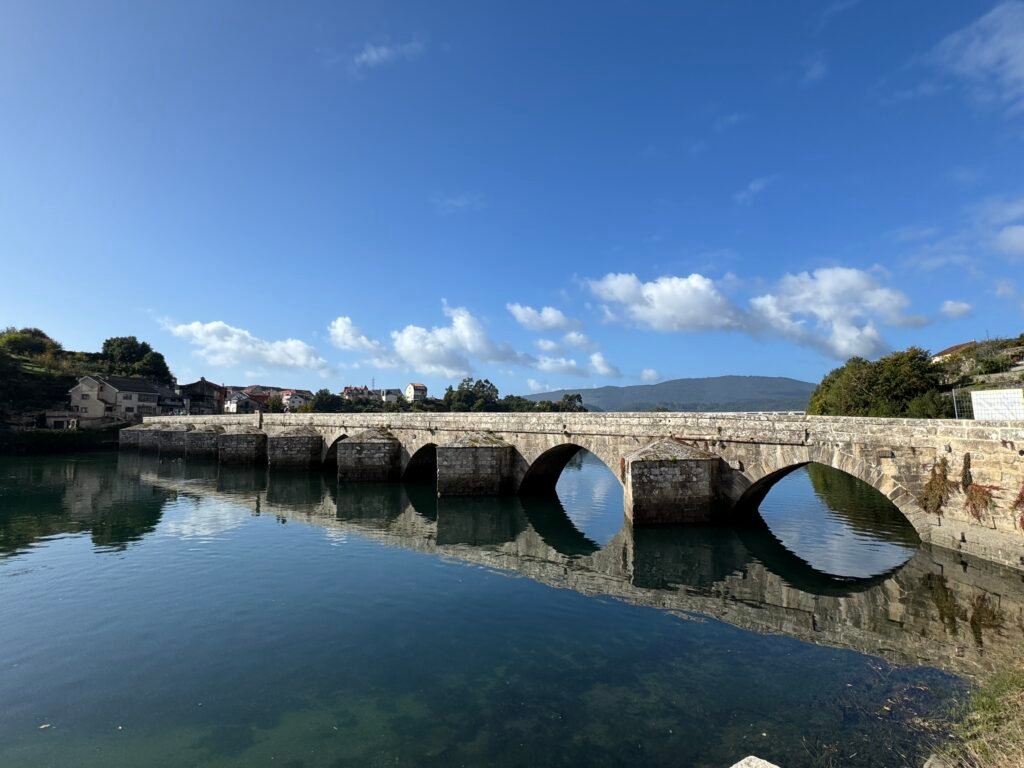
Camino de Portugués – Day 10
Cesantes to Pontevedra 18 km/ 11 miles, on the central route. I watched a steady…
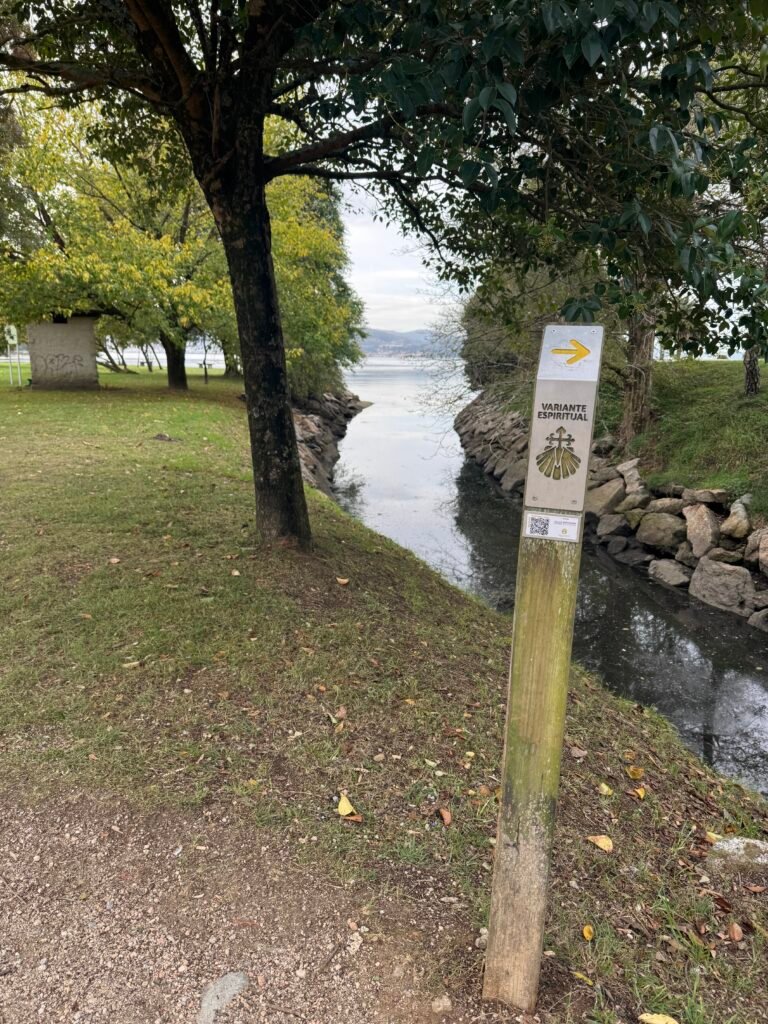
Camino de Portugués – Day 11
Pontevedra to Armenteira 21 km/ 13 miles – split off to the spiritual variant. The…
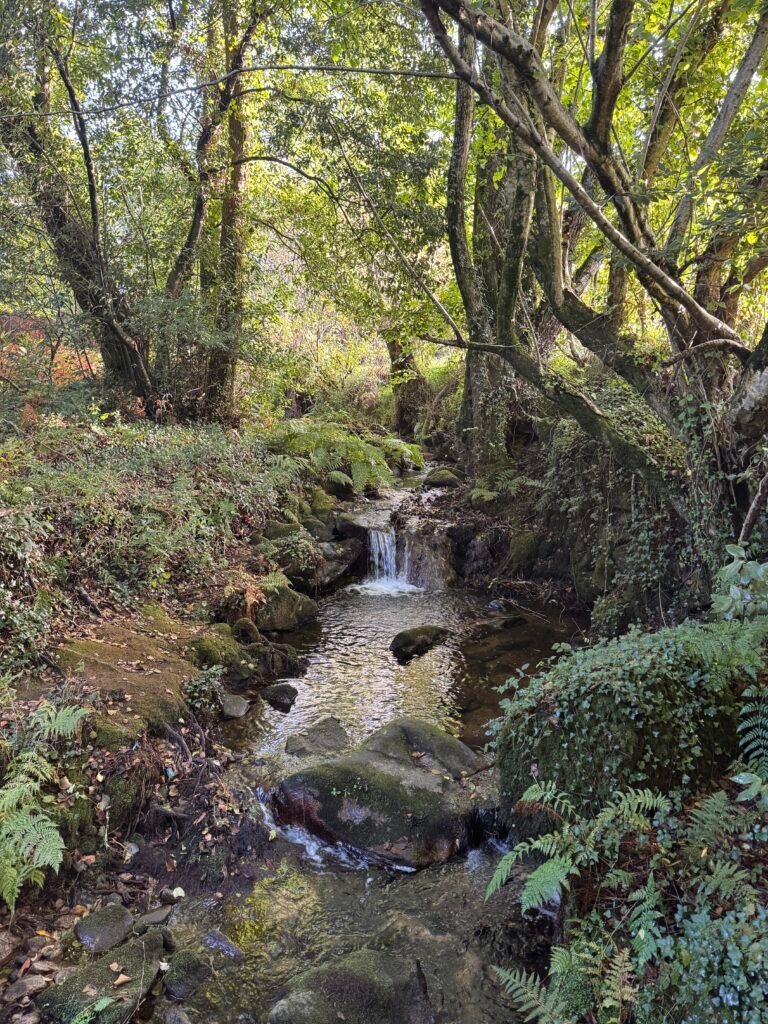
Camino de Portugués – Day 12
Armenteira to Vilanova de Arousa 24 km /15 miles – the spiritual variant. We awoke…
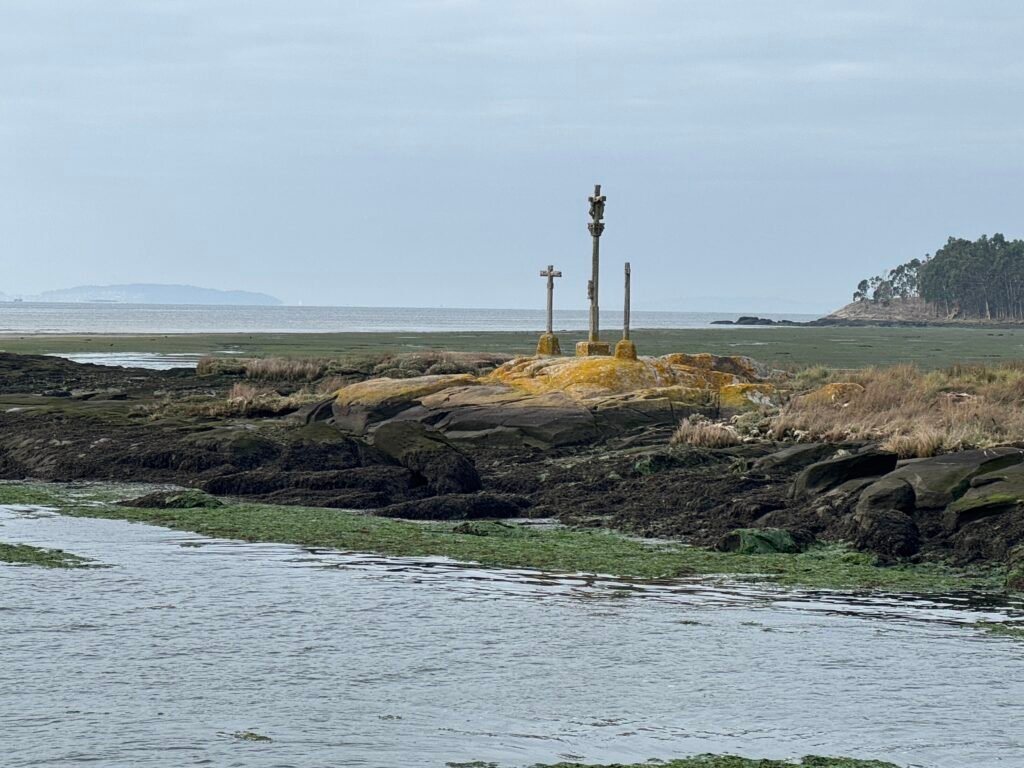
Camino de Portugués – Day 13
Vilanova de Arousa to Padron and then to O Milladoiro, 19.5 km/12 miles. completion of…
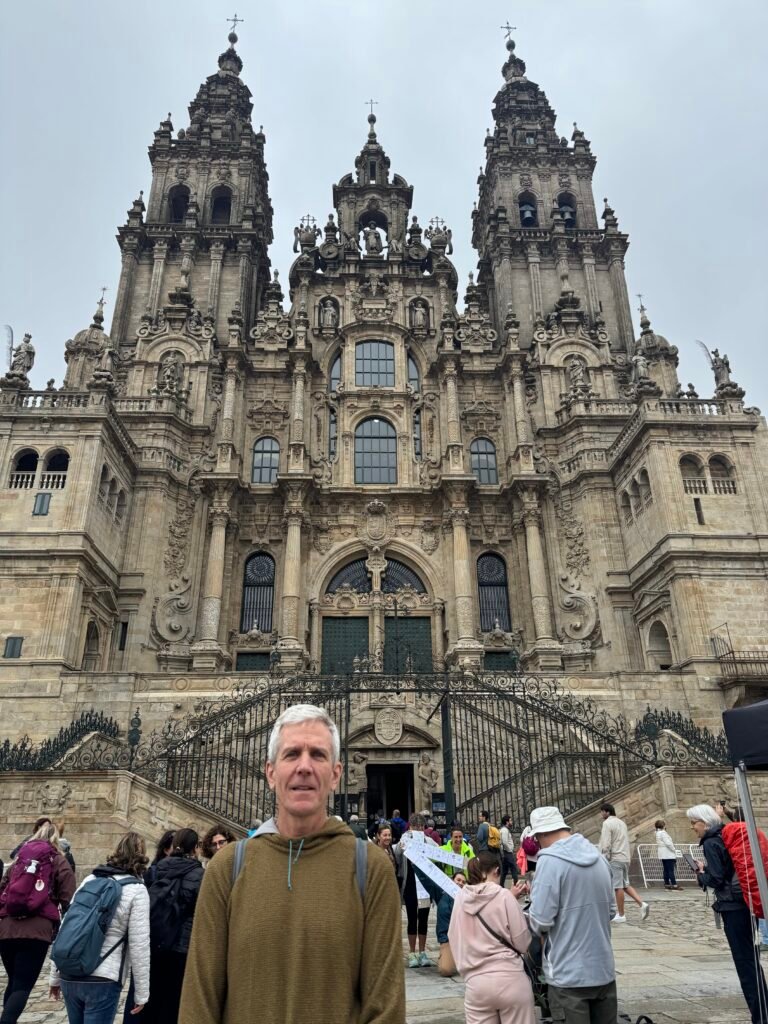
Camino de Portugués – Day 14
O’ Milladoiro to Santiago de Compostela 8 km/5 miles – the last day. We…