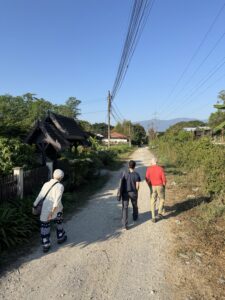
Chiang Mai is Thailand’s second largest city and the largest Thai city in the north. Chiang Mai is a old city with origins back to the 1290s when the capital of the northern Alanna people related here from Chiang Rai. I had read that Chiang Mai is a lush pretty city with a population of about 125,000. Perhaps it is, but that certainly wasn’t the impression I got when walking around the old town and the area just south and east of the old town. The old town is a roughly 1 square mile in the Central Park of downtown Chiang Mai that was the old walled city with surrounding moat. Only a few remnants of the old wall remain. What I found was a much larger city with a kind of organized chaos vibe. I now understand that the city proper may contain 125,000 people, but the metropolitan area has a population of 1.2 – 1.5 million people.
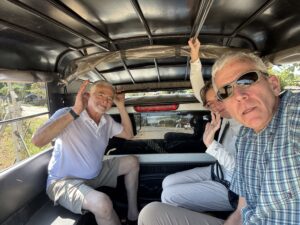
There are many narrow streets and alleys with no organized public transportation. What Chiang Mai does have are scores of scooters, motorcycles with sidecars, tuk tuks, and songthaews (converted pickup trucks with benches and a cover over the bed that will take you where you want to go for a negotiated fee). As I would come to learn, this was not unique to Chiang Mai as we saw similar modes of transportation all throughout northern Thailand and Laos. It is very common for people on scooters and motorcycles to weave through stopped cars to get to the front of the line at traffic lights like these girls were doing on their way home from school.
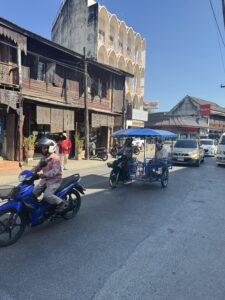
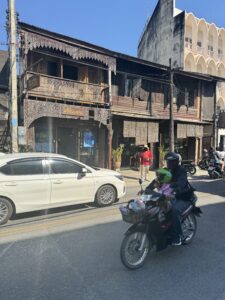
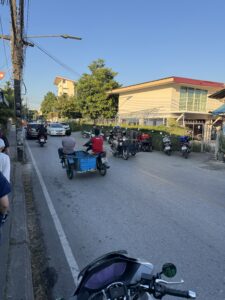
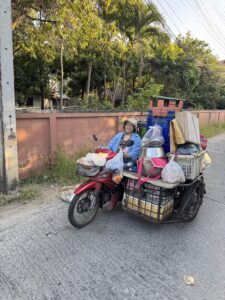
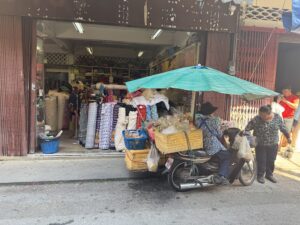
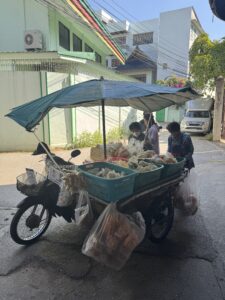
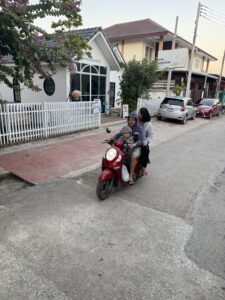
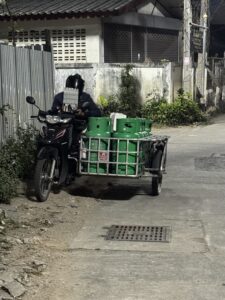
Many streets are without sidewalks and there can be any manner of obstacles at any time. I thought the fact that they drive on the left would also be confusing, but I haven’t found it hard to get used to. Perhaps it’s a result of being in Ireland and Japan fairly recently. Or more likely, it’s just that there is so much going on that the direction of traffic is just one of many things requiring attention that it doesn’t really register as different.
Given its ancient history there are many many temples inside the old city as well as outside the city and in the surrounding area. There are also numerous tourist activities offered in the surrounding area, from visiting elephant sanctuaries, bike rides in the countryside and amongst rice fields, taking bamboo rafts down small rivers, and visiting or hiking to and amongst hill tribes. Apart from wondering around the city and visiting several temples (known as a “wat” in Thai), I didn’t get a chance to experience any of the other popular tourist activities.
In planning this trip, I thought that I’d visit an elephant sanctuary and was looking forward to seeing elephants up close and maybe feeding them or spending time with them in a river. All of which are advertised activities. However, as I read more about elephant sanctuaries in Thailand and Laos, I learned that there are differing views on the ethics of visiting elephant sanctuaries. While riding elephants is now frowned upon, I read that many places renamed their offerings as sanctuaries or “ethical” sanctuaries, but they to still train their elephants to tolerate humans or to be fed by humans. Many animal rights activists argue that a true sanctuary would let elephants be elephants without requiring them to be around people and that breeding, chaining, or using hooks or sticks on elephants should be prohibited. There is one sanctuary in Chiang Mai (The Elephant Nature Park) that says it has adopted this approach, but even it reportedly has an a area where people can feed elephants. I also read reports that some other “sanctuaries” chain their elephants when the tourists leave and that many continue to breed elephants because baby elephants are a tourist draw and new elephants are needed to continue their business. I’m not sure where I land on the issue, which in many ways is similar to the controversy around zoos. And I recognize that it is undoubtedly expensive to care for elephants so the funds need to be raised in some manner and the sanctuaries provide more freedom and stimulation that zoos and there is little doubt that captive elephants could survive in the ever diminishing amount of available forests. I think, with more research and more time, I’d find a place that I’d feel comfortable visiting.
Enough about what I didn’t do. Here is a short recap of some of what I saw and did. As mentioned above there are several historical and interesting wats in Chiang Mai. On my first morning in Chiang Mai, I sketched out a bit of a walking tour that would take me into the old city to visit a couple of historical wats. As I was walking to first intended stop, I passed the entrance to a Wat and took a short detour. I was then treated to a performance by a students from the Wat’s school who were performing for their younger schoolmates.
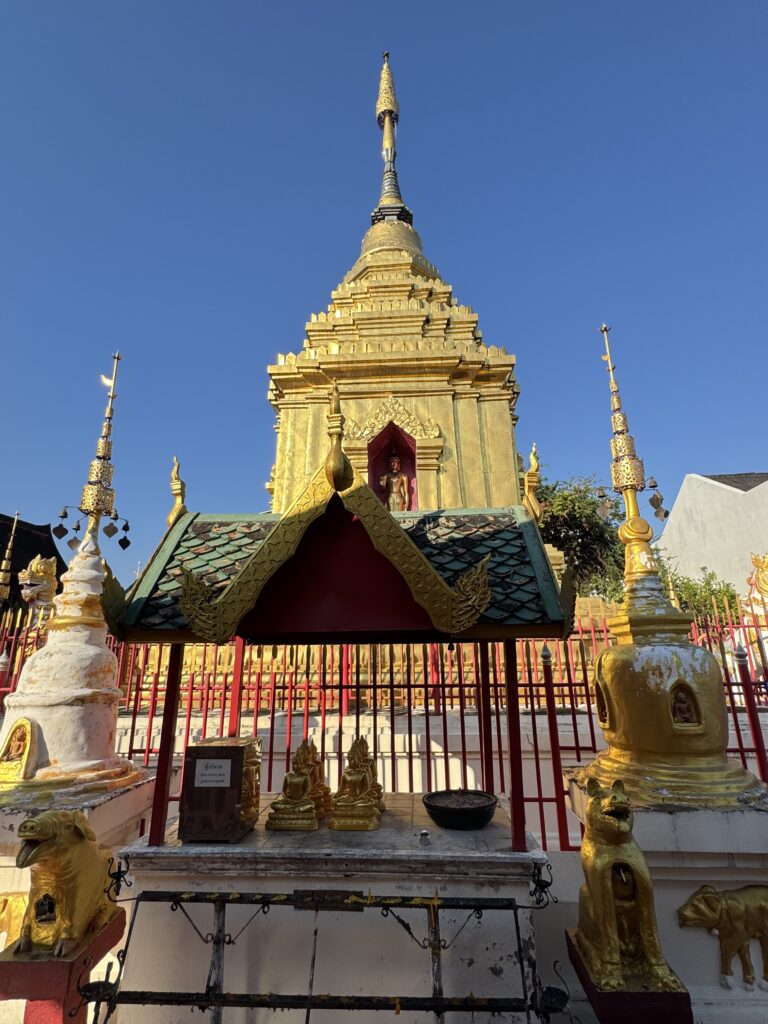
It looked to me like the older kids where putting on a performance for younger classes.
I eventually made it to the first planned stop: Wat Phra Singh a Buddhist temple complex dating from the 1345. It now houses the second most important Buddha image in Thailand: the Phra Buddha Sihing. Perhaps it’s most striking feature is the large gold chedi that with elephants protruding on each side. While the Chidi dates back to the original Wat, the gold gilding and elephants were added fairly recently.
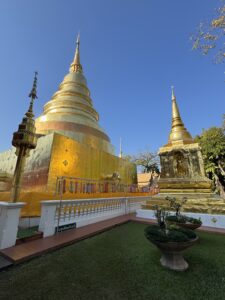
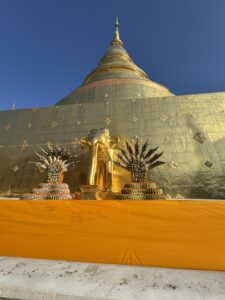
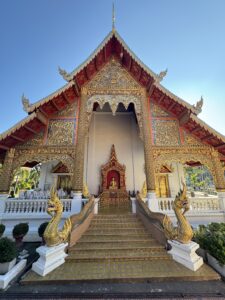
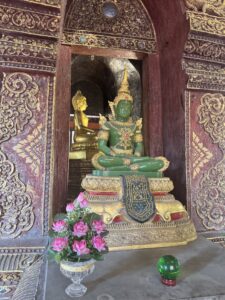
Wat Chedi Luang (Temple of the big stupa) is another Wat complex whose origin dates back to the 14th century. It is another important temple in the Old City. This Wat originally held the famed emerald Buddha that moved to Luang Prabang (Laos) in the mid 1500s before being reclaimed by the Thailand. The emerald Buddha now resides in the royal palace complex in Bangkok (see Bangkok post). Wat Chedi Luang as its name suggests is known for its large Lana style chedi that was constructedin 1441.
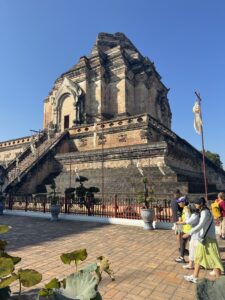


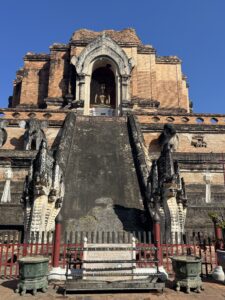
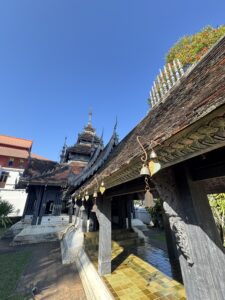
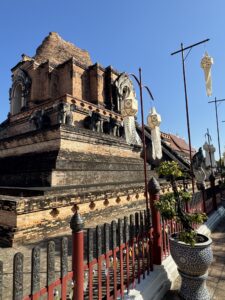
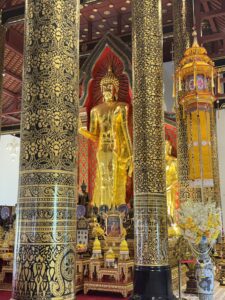
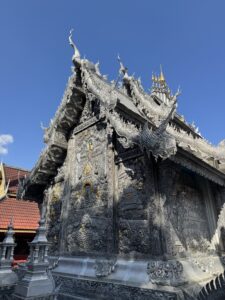
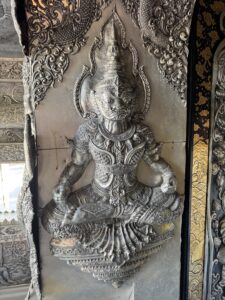
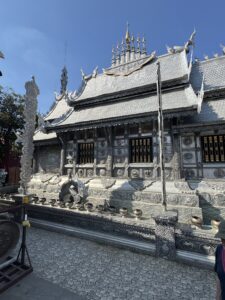
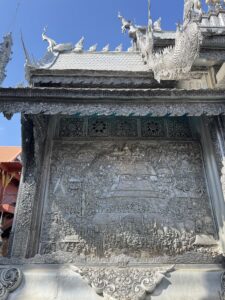
Wat Sri Suphan (the silver Temple), was founded around 1500 and is unique in that it is completed covered (inside and out) with silver metalwork. Using a combination of silver, nickel and aluminum paneling with intricate art. It is a small but impressive temple.
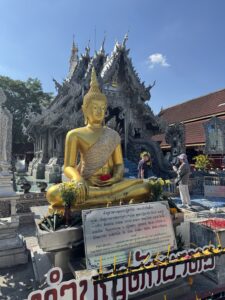


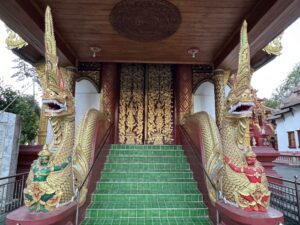
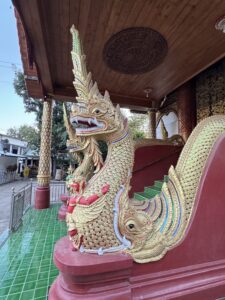
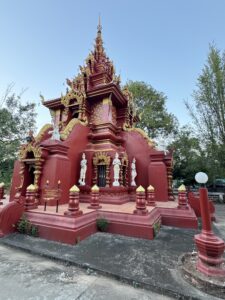
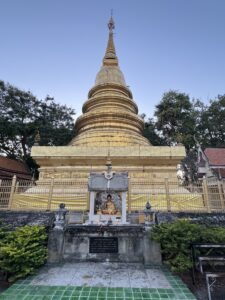
In addition to these main wats, I stumbled upon other temples that were located all over the city, including one that was very close to my hotel.

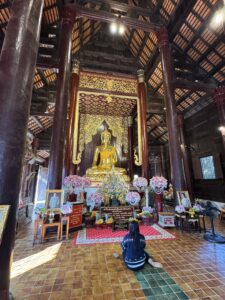
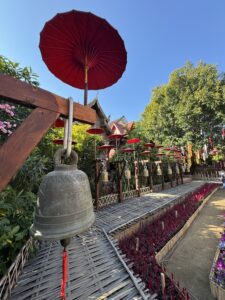
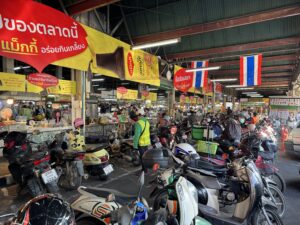
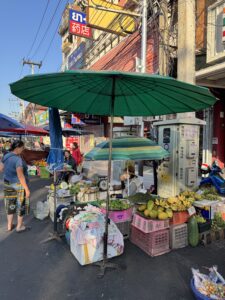
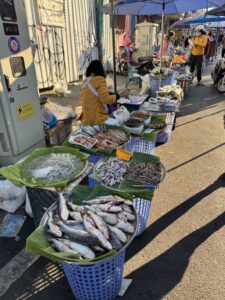
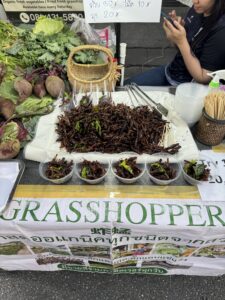
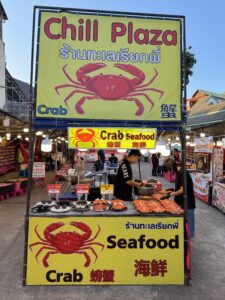
I enjoyed visiting both local morning and night markets and seeing the types of food and other items for sale.


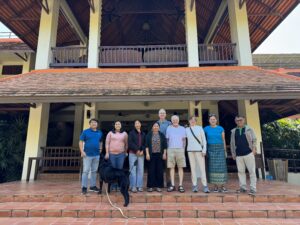
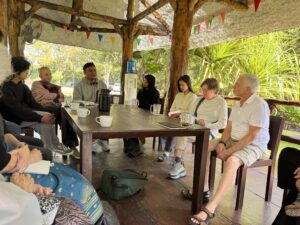
Instead of participating in traditional tourist activities, I along with a couple other members of Pangea Giving (see Thailand Page) visited several charitable groups including Earth Rights International’s Mitharsuu center and learned about various groups working to help local communities and displaced Burmese people from Myanmar.