
It’s been a few days since I’ve been back home and a couple weeks since we finished the Camino de Costa Rica. I thought I’d create a post of things my group experienced on our two-week walk both as a reminder for me and to help others who may be searching for information on what it’s like to walk the Camino de Costa Rica.
I did a 14-day trip with Urri Trek in late April 2024 and would recommend them without reservation. They did a great job with logistics, food and accommodations (accommodations are basic, but clean and convenient). Our guide (Issac Castro) was fantastic. This was his 19th Camino. He knew the route well, was good natured, had a good eye for spotting birds and wildlife, and was well liked by the people we interacted with along the way. Once we figured out the daily rhythm and what it meant when he said we’d be having a “late” lunch, things really fell into place.
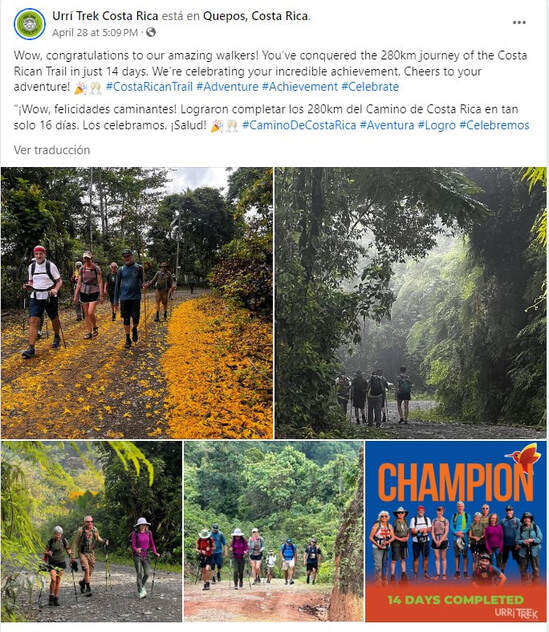
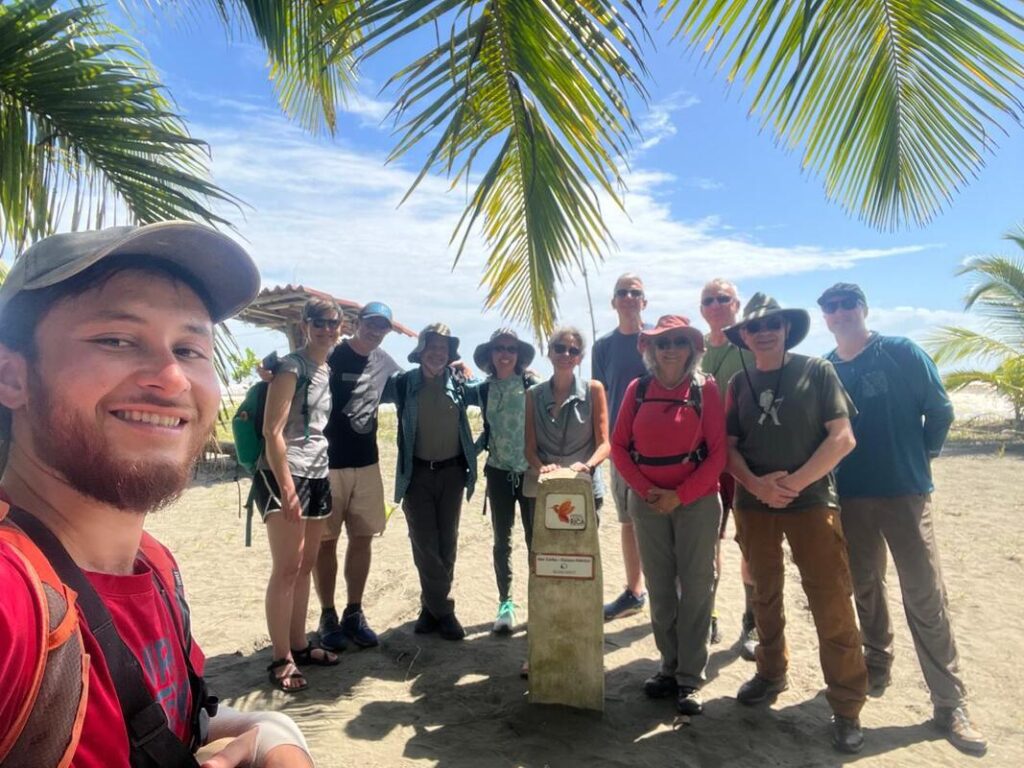
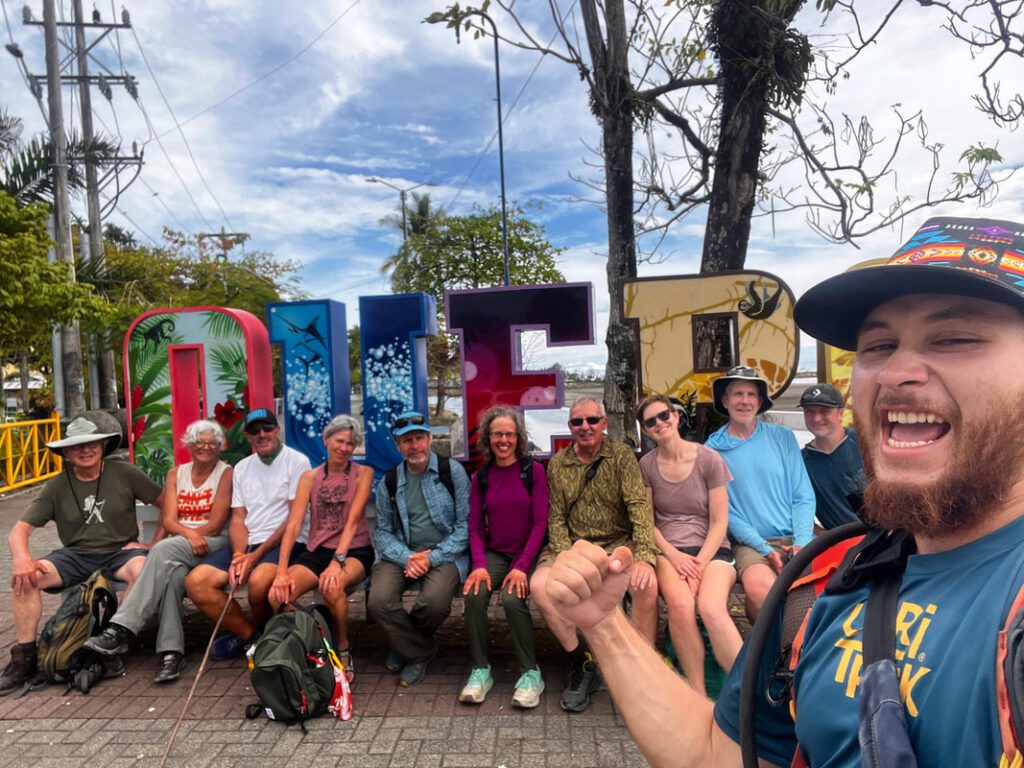
We were a group of 10, with two couples, 4 single men travelers and 2 single women. We ranged in age from mid-thirties to the mid-seventies. We had one Tico (Costa Rican), two Canadians, one Brit, and six Americans from 5 different states.
Rain:
I did the walk during the last two weeks of April 2024. This is supposed to be right before the wet season, which most sources say starts May 1. We had predominantly sunny, dry weather. The first week seemed sunnier and hotter than the second. It may have been the result of a combination of location (the Caribbean flats were hot and humid, with the heat subsiding a bit as we gained elevation), the actual weather (we seemed to get more afternoon clouds as the trek progressed), and me acclimating to the tropical weather. During the second week, we had three afternoons/evenings of rain. Two of those days, we were done walking by the time the rain started so we just watched it pour for a couple of hours from under cover. The third we walked in a downpour for about an hour before we got to our stopping point. That day it rained for a few hours, stopped for a few hours and then started up again during the night for a few more hours. People who walked without rain gear were soaked in minutes. The rest of us, just had to deal with wet shoes and socks. Thankfully, the next morning was dry and shoes seemed to dry out while walking, with mesh shoes drying quicker than heavier material shoes. Lightweight ponchos seemed to work the best. Some people had rain jackets which left their pants and packed soaked (unless they had separate pack covers). You never know when you might need rain gear. Some people had heavier weight ponchos which worked, but seemed to be overkill for what we experienced and added weight to their daily pack. I do think having some kind of rain gear is wise because even though it is remains warm when it rains, it is not enjoyable to have soaking wet clothes or packs. Had we experienced more than a single day of walking in rain or heavy winds with the rain, I might have wished for a way to keep my feet dry and found value in a heavier poncho.
Sun:
This is the tropics! The sun is strong!
- Wide brim hats were popular. A few people wore baseball hats and they had more issues with sun on their necks and ears than those with wide brim hats.
- Sunscreen is a must. Bring it from home if at all possible (imported goods are expensive in Costa Rica)and get as high a sun factor as you can. If you sweat a lot, reapply throughout the day. One person in our group burned, blistered and peeled twice even thought he claimed to use sunscreen.
- Long sleeve sun shirts were popular. I brought two long sleeve sun shirts and several short sleeve shirts. I think I wore short sleeve shirts for just the first day. I found long sleeve sun shirts were cooler than having the sun beat down on my skin all day and I didn’t need to worry about applying sun screen to my arms when sleeves were protecting them. Our guide had sleeves that he would wear on some days, which allowed him to more flexibility in removing the sleeves when he wanted.
- Light weight long pants were also welcome. On several days when their was risk of brush, ticks, snakes, our guide recommended long pants. It was also nice for sun protection to have light weight long pants as an option. I wore shorts most days, but was happy I had a pair of light weight nylon long pants, which I wore a little less than half the time.
- Bring electrolytes with you and try to plan to bring enough for 1-2 litres of water a day. You will be working hard and loosing a lot of water and salt. Electrolytes are super helpful in hydrating and preventing cramps. I sometimes would use electrolytes with just half my water. I didn’t cramp at all those some others experienced this before they started buying premixed electrolytes from local stores (which seemed easy enough to purchase, just a lot of plastic bottles).
Shoes:
Most people had low-top hiking shoes. I wore trail runners, which were very comfortable, but my pair (Altra Lone Peaks) did not wear well particularly on the asphalt portions of the trip. They were new when I started and the tread was nearly gone on the heal at the end of the trip (157 miles). Some people brought two pairs of hiking shoes and wore a heavier pair on days we were walking on single track trails or were expecting mud and other rough surfaces. A few people brought gaiters and wore them on one or two days when we were anticipating mug, brush, or possibly snakes. We had very little mud and brush and saw no snakes. I was happy with my choice of footwear and did not feel like gaiters were needed. If you are walking in wetter conditions, different footwear may be preferred.
Food:
This is applicable if you are going with Urritrek. Lunch is almost always a sit-down hot lunch. I think we packed lunch with us, just twice. Most days you will eat lunch when you are done walking. Towards the end of the hike, this can be early afternoon, but in the beginning we had a couple of late lunches due to our group being slower than anticipated, I think. It took us a while to figure this out, and we had a couple of days where people were running on fumes by the time we had lunch. It is important to bring food with you and to get in a routine where you eat a mid-morning snack and then every couple hours thereafter. On some days, there are stores along the way where snacks, ice cream, drinks can be purchased, but this isn’t universally the case. So be prepared.
Sleeping:
This is applicable if you are going with Urritrek. Urritrek uses a combination of hotels/cabins/camping. The rooms we had were all clean with generally comfortable beds. Some places were near roads and were noisy. Couples seemed to get their own rooms, others tended to share rooms. Your roommate might snore, so bring ear plugs! When camping, Urritrek or the place provide tents (most people got their own tent), pillows, a pad, and some kind of sheet/blanket. I found the sleeping arrangements to be fine and with the exception of one night (when I didn’t have ear plugs) slept well. You will be tired.
Other:
- Urritrek specific. You will have wifi most nights. A few nights we just had cell service (I used an esim from Airalo, which worked very well). The last night or two, we were without both wifi and cell service which was a little rough on people at home if they weren’t prepared for the lack of connectivity.
- Hiking poles are super helpful. Bring them if you have them. Consider getting a cheap pair if you don’t. (Here’s a link to the pair I used). I bought a pair just for the trip and then gave it to our guide at the end. I also brought an old pair with me and left that with the suggestion that Urritrek could lend them to people who arrived without poles). People that didn’t have poles were looking for and using walking sticks. with the exception of the first and last days, poles are super helpful both in going up and down. Costa Rica is not a flat country with every day involving lots of up and down.
- Leatherback turtle nesting. If you are doing the Camino between March and May and want to try to see Leatherback turtles nesting, you can try to see them on the Caribbean side before you start your walk. If you are beginning at the Goshan dock, you can inquire about spending the night before the first day at a place called “Julio’s cabins”, which is located across the Pacuare river from the dock that you will take to walk to the Caribbean shore. This path takes you to the northern facility of the Pacuare Reserve. I think I may have been one of the first people to try to do this as I felt like people were figuring things out as we went. Urritrek will charge you extra for the vehicle transfer from San Jose to Goshen dock ($200 for the car, though our driver tried to get $200 per person). This is included with the group trip, but the pick-up from San Jose is at 4:00 am on the day you start the walk. There is also a boat transfer from the dock to the river side facilities called “Julio’s cabins” ($100 for a 20 minute boat ride). Julio is the guy who drives the boat and I think his family operates the cabins. Urritrek told me it would be $50 per person per day (full board) and $30 per person for any number of animal tours. I was advised that people at Julio’s cabins spoke only spanish. That was correct, thought google translate helped quite a bit. We figured things out pretty well and I learned that the turtle tour was actually run by the Pacuare Reserve so I joined a small group. (I found out that you need to wear closed toed shoes and long pants and not use Deet bug repellant) as part of their turtle census program. Our small group missed seeing a nesting leather back by minutes! So close to having that amazing experience, but the evening was beautiful and clear and it was nice walking along the beach in darkness looking at the stars and fireflies. On check out, I also learned that the people did not know about the $50 a day rate. Instead they figured out the cost for each meal and an overnight stay in colones and wanted me to pay for the boat ride and turtle tour in colones as well. Luckily I had enough to cover it.
- Be flexible! There will likely be little hiccups along the way. Group dynamics can be tricky, but having patience and a sense of humor will take you a long way to having an adventure that you will remember with fondness for a long time.
Feel free to contact me if you have questions about what the Camino is like or my experience with Urri trek. I had a wonderful trip and would be happy to share what I know with you.